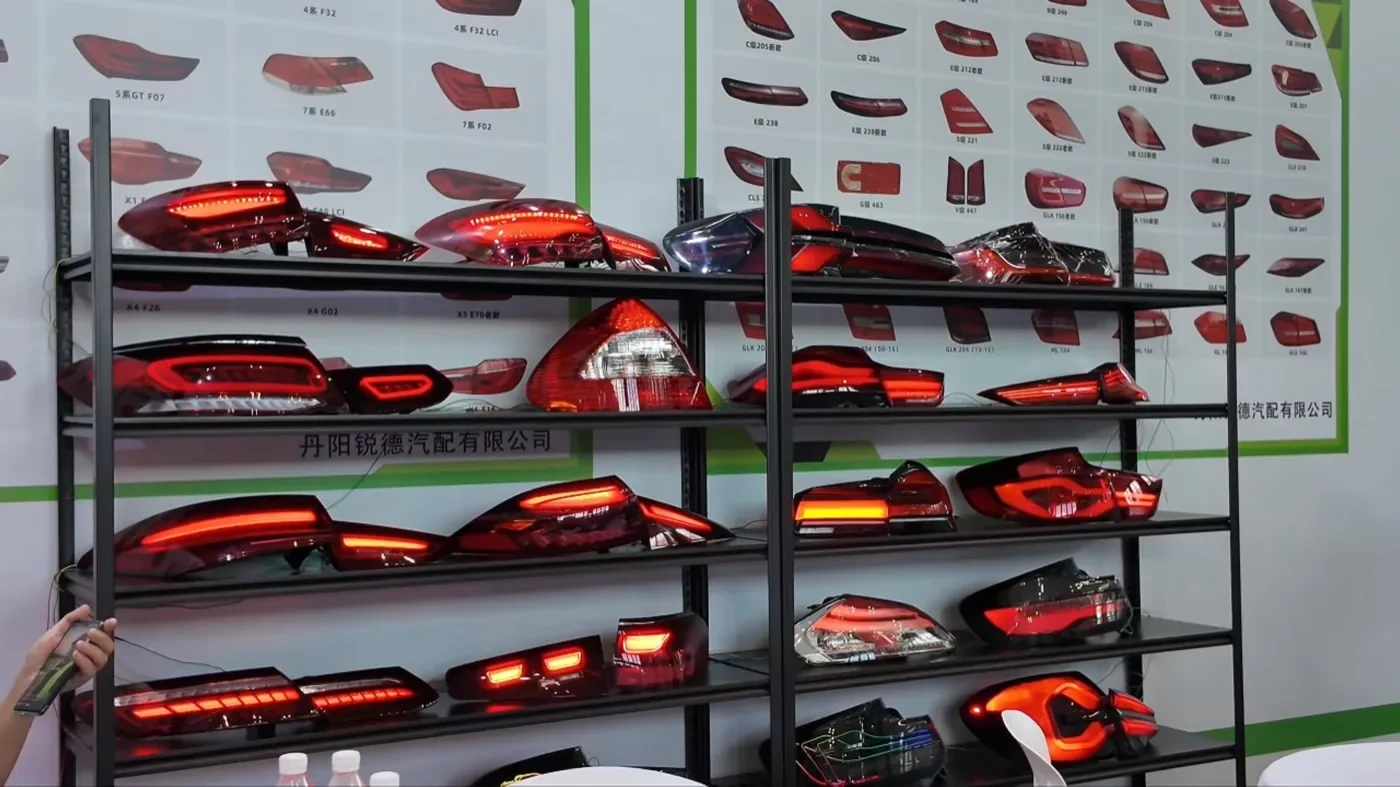
When auto parts are purchased from several factories, trading companies or sellers, shipping each batch separately is technically possible, but the order becomes harder to manage. One supplier labels boxes by OEM number, another uses its own part number, and a third sends mixed packaging. Batches are ready on different dates, while documents and product descriptions may differ. Business shipments of auto parts from China therefore start with standardising the data. Consolidation is a control stage between purchasing and international transport.
Tiger Logistics can bring together sourcing and purchasing coordination, receipt of goods from different suppliers, consolidation and delivery, preparation of information for customs clearance and subsequent warehouse handling in Russiawithin one process. The specific arrangement depends on the order: there is no single solution for brake pads, body panels, electronics, liquids and equipment.
Why are auto parts from several suppliers more than ordinary groupage cargo?
For ordinary groupage cargo, the main questions are often how many packages there are, what they weigh and where they need to go. Auto components also require identification of every line item. Two products with the same name may have different dimensions, generations, connectors or fitment. Conversely, one part may be listed under the vehicle manufacturer’s OEM number, the component maker’s number and several interchange numbers.
If matching is left until later, combining boxes makes it harder to establish which supplier sent a particular item and which order line it belongs to. Suppliers therefore receive consistent labelling requirements in advance, and the warehouse preserves the relationship “supplier → order → SKU → package”. This does not guarantee technical compatibility, but helps identify discrepancies quickly and direct clarification requests to the right supplier.
Which information should be prepared before requesting supplier quotes?
The working specification must be understandable to the buyer, warehouse and documentation specialist. Initial discussions can start with incomplete information, but gaps should be closed before payment and dispatch.
| Field | What to provide | Why it matters |
|---|---|---|
| Identifier | OEM number, manufacturer’s part number and acceptable interchange number | Reduces the risk of ordering a similar-looking but different part |
| Fitment | Make, model, year, variant, VIN or assembly specifications | Helps establish which vehicle configuration requires the item |
| Quantity | Pieces, sets or pairs; whether incomplete sets are acceptable | Avoids confusion between units of measure |
| Supplier | Company, contact, dispatch city and order number | Preserves the source of each warehouse item |
| Packaging | Individual or bulk packaging, protection, pallets and restrictions on mixing | Allows receiving and repacking to be planned |
| Labelling | Label template: order, SKU, quantity and package number | Connects the physical box with the specification |
| Documents | Description, material, intended use, manufacturer and brand | Supports preliminary checks of classification and requirements |
| Delivery | Destination city, preferred delivery window and whether door delivery is needed | Determines route and last-mile options |
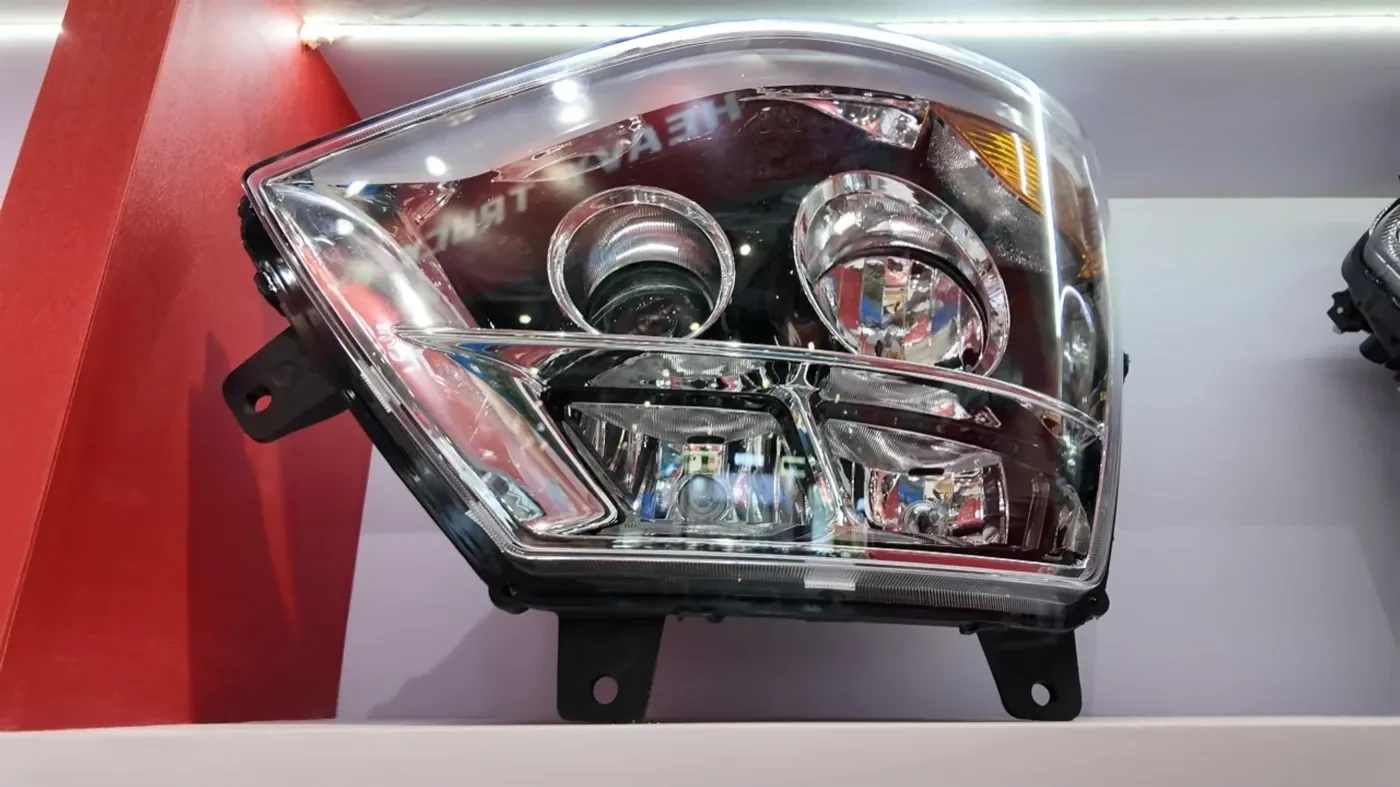
How are auto parts consolidated in China?
-
Standardise the SKU list
Specifications from different suppliers are brought into one format. Each line records the internal order reference, OEM or interchange number, description, quantity, supplier and inspection method. Any information requiring confirmation is flagged before the goods reach the warehouse.
-
Arrange deliveries to one warehouse
Suppliers receive the address, receiving contact and package-labelling instructions. The schedule accounts for different readiness dates. Whether to wait for the final batch or dispatch the available part of the order is decided according to business priorities, rather than automatically.
-
Receive packages and preserve their origin
Receiving records identify the supplier, order, number of packages and visible packaging characteristics. If outer labels are missing or do not follow instructions, the package is set aside until the issue is resolved. Counting incoming boxes and checking their contents are different services, so the depth of inspection is agreed in advance.
-
Check the agreed identifiable features
Depending on the brief, checks may cover labels, part numbers, quantities, set completeness, photographs or selected samples. Electronics, branded goods and critical components may require a separate inspection procedure. Warehouse inspection is not an engineering assessment and cannot confirm compatibility without the necessary underlying data.
-
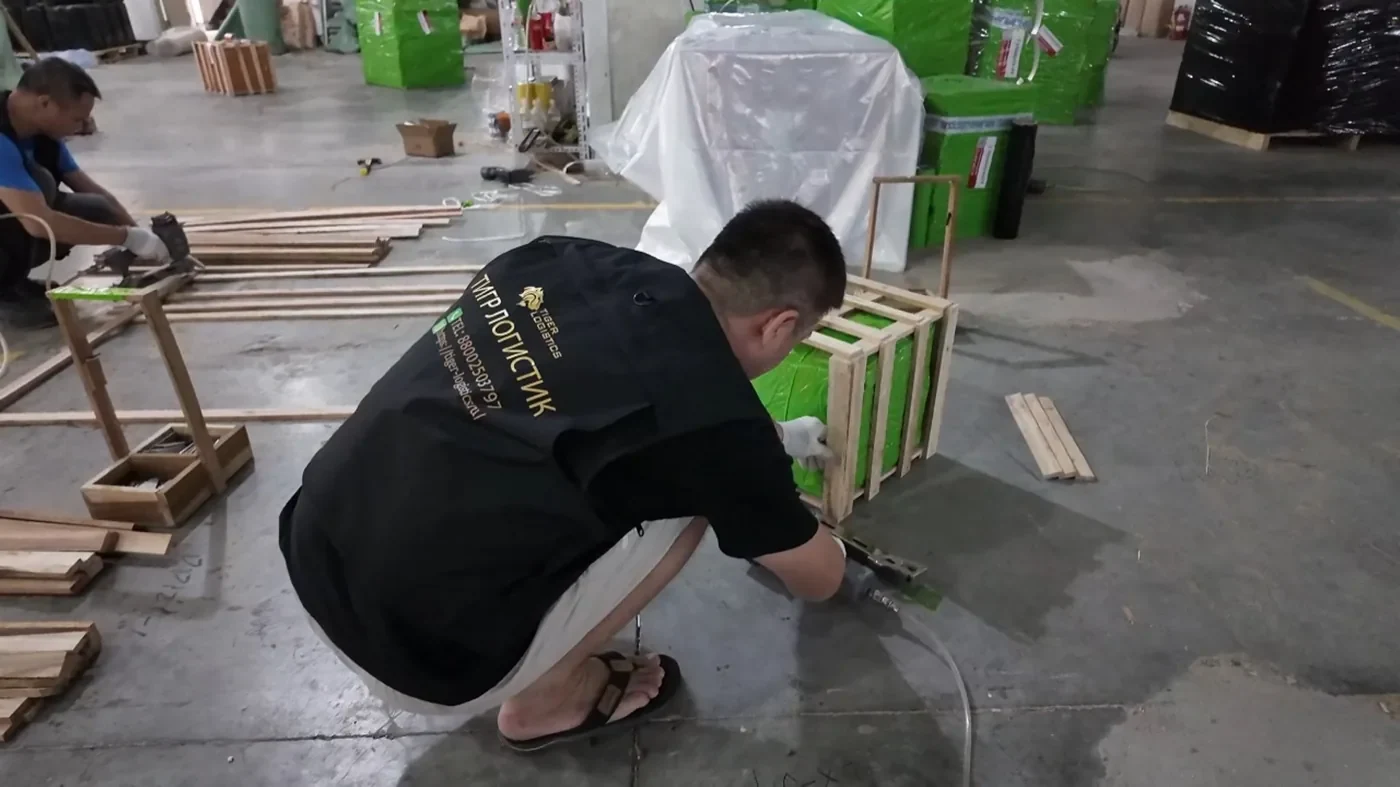
Plan the consolidated packaging
Heavy metal parts, fragile items, body panels, electrical and electronic components and goods containing liquids cannot automatically be combined in one package. Weight, centre of gravity, moisture and impact protection, stackability and label access must be considered. Sometimes proper consolidation means one shipment with several different types of packages.
-
Prepare the packing list and product information
Actual quantities, weight and volume are confirmed after receipt. The packing list preserves the connection between each package and its SKUs. Documentation requires accurate product names, intended uses, materials, manufacturer, brand and values from the commercial documents.
-
Check requirements for each component type
A single approach cannot be extended to the entire order merely because all items are called auto parts. The applicability of technical regulations, classification and supporting documents must be checked for each product. One key instrument in this field is Customs Union Technical Regulation TR CU 018/2011 “On the Safety of Wheeled Vehicles”, adopted by Customs Union Commission Decision No. 877 of 9 December 2011. Whether it covers a particular component and which documents are required must be checked separately for each line item.
-
Choose a route once the shipment is defined
Delivery options can be meaningfully compared once actual shipment parameters and clearance requirements are understood. The choice depends on more than speed and budget: product type, packaging, document readiness, supplier locations and destination city also matter. Without this information, timing and cost can only be provisional.
-
Arrange receipt and release in Russia
At the final stage, cargo is received, sorted or repacked if needed, and handed over for delivery to a warehouse or another agreed location. Labels and the packing list must be retained so the recipient can allocate items to orders, branches or customers.
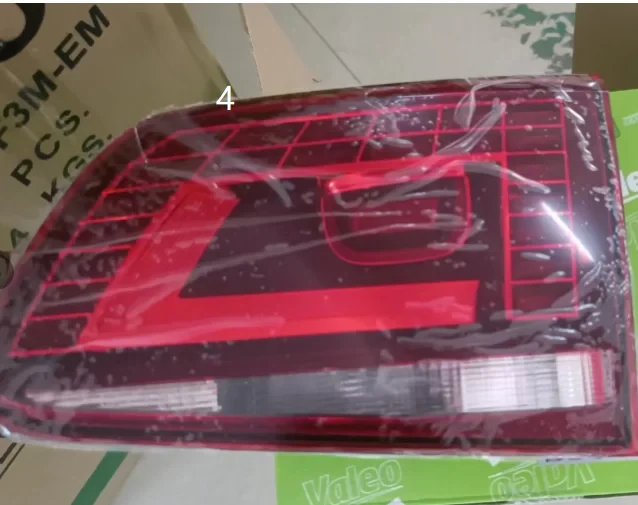
Which checkpoints are needed before dispatch?
| Risk | What to check | Action if there is a discrepancy |
|---|---|---|
| Different part number | The number on the product against the specification | Keep separate; request confirmation or replacement |
| Mixed revisions | Version, connector, dimensions and fitment | Separate by SKU and agree acceptable variants |
| Unidentified box | Supplier, order and package label | Isolate until its origin is established |
| Inadequate packaging | Weight, voids, edge protection and moisture protection | Agree reinforcement or repacking |
| Incomplete information | Intended use, material, manufacturer and brand | Request the information before preparing clearance |
| Trademark infringement risk | Usage rights, origin and documents | Carry out a separate review; do not promise automatic import clearance |
What does consolidation not solve?
Combining cargo helps manage the physical flow but cannot correct an erroneous specification. If the wrong part number was ordered, the warehouse cannot identify the required version without inspection criteria. Consolidation does not prove that a branded part is genuine, replace testing or missing commercial documents, or guarantee that every product can be imported under one arrangement.
It is also necessary to agree exactly what “check the goods” means. This may involve counting packages, checking labels, taking photos, opening selected boxes, checking set completeness or carrying out a specific inspection against a technical brief. The more critical the part and the higher the cost of an error, the more precise the procedure and acceptance criteria must be.
When does consolidation make sense, and when is it better to split batches?
Consolidation is useful when several suppliers contribute to one order, items need to arrive together with SKU-level traceability, and the business wants the parts checked against the specification in advance. It also works when shared preparation of labels and documents is needed before selecting the route.
Splitting may be more sensible when one item is urgent, suppliers’ readiness dates differ significantly, goods need incompatible handling conditions, or separate product groups require different documents and routes. The decision depends on the order’s parameters: SKU count, supplier cities, readiness, package characteristics, intended use and restrictions.
Frequently asked questions
Can a quote be started without exact weight and volume?
Yes. A list of goods, quantities, suppliers and the destination city is enough for preliminary discussions. The route, timing and cost are refined once actual or confirmed shipment parameters are available.
Can genuine parts and aftermarket alternatives be combined?
The items may physically travel in one shipment if handling and documentation allow it, but they must remain separate in the specification and packing list. Branded goods require separate checks of origin and documents; being stored in the same warehouse proves nothing about them.
Does the warehouse check compatibility by VIN?
VIN, model and year can serve as inputs for purchasing checks, but warehouse receiving normally verifies the agreed product features. The depth of compatibility checking and the responsible provider must be specified in the brief before ordering.
Must all batches be ready before shipping?
Not always. If the final supplier’s delay is critical, the order can be split. The decision weighs timing priorities, the cost of extra operations, document readiness and the effect of an incomplete delivery on the recipient.
How do you brief Tiger Logistics?
For a preliminary plan, send a spreadsheet or message containing your company and contact details; OEM and interchange numbers; VIN, model and year where available; SKUs and quantities; the number of suppliers and dispatch cities; current order status; packaging and inspection requirements; destination city; and whether customs clearance is needed. Clearly identify anything unknown. A manager can advise what to request from suppliers before payment or dispatch.
Method and sources: this article was prepared by the Tiger Logistics editorial team from the company’s publicly described purchasing, logistics, customs support and warehouse processes. TR CU 018/2011 is mentioned as a general reference; its applicability and the requirements for a specific product must be checked with a specialist using the exact description and documents. Product-specific information always takes precedence over a general description of the process.
← Back to all guides