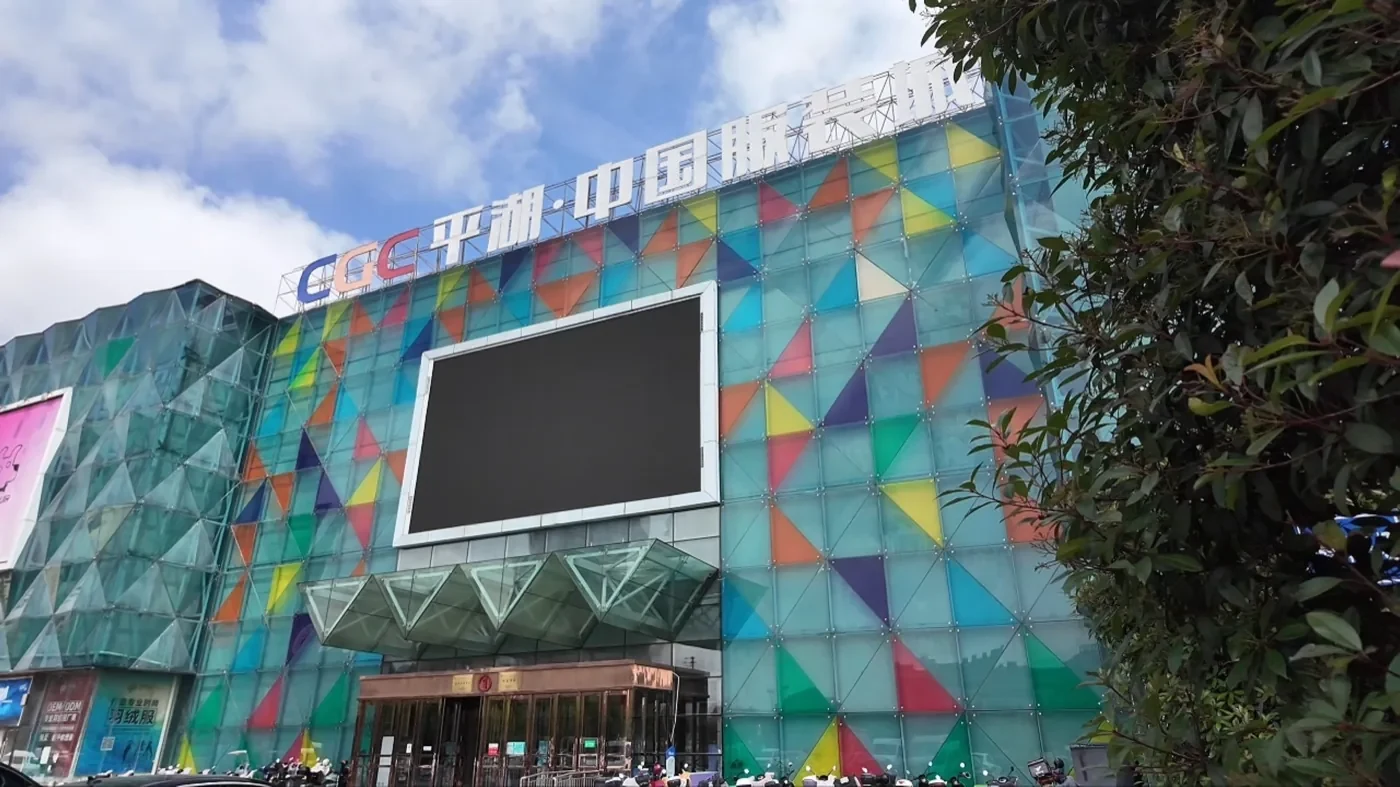
Sourcing series: Hangzhou and nearby manufacturing hubs.
You can come to Zhili for new collections for a shop, a regularly stocked product for an online marketplace, or a batch of outfits for a school event. The product category is the same—children's clothing—but working with suppliers is different in each case. One buyer needs fresh designs in small batches; another needs to reorder the same style; a third needs exactly as many outfits as there are children taking part.
I am Vera, head of Tiger Logistics. In this guide I explain how we started sourcing children's clothing, why a supplier may refuse a small order, and what to do when production yields a different quantity from the original estimate. These questions come from our work with Russian clients. Behind each one is a particular shop, season, or date by which the clothing must reach the buyer.
How we started working with children's clothing
Our first children's clothing client came to us about five years ago. Before that, we had already worked extensively with women's and men's clothing, custom garment production, fabrics, and equipment, including sewing machines. Our clients included medium-sized and large businesses from Moscow, St Petersburg, Samara, and the Urals. But we still had a great deal to learn about children's ranges.
We began gaining that experience with an entrepreneur who had already spent ten years in children's retail in Russia when we met. She had five shops then; today she has fifteen. She understood what mothers chose, what children liked, and what teenagers were willing to wear. We learned to look at the range through her eyes: paying attention to fit, sleeve length, combinations of garments, and the needs of each age group.
One strong part of her business is clothing for group events. Children need matching outfits for performances, school events, and other activities. These orders became an established part of her business. They show particularly clearly why finding an attractive item is not enough: it must be made in the right sizes, in the required quantity, and ready by a specific date.
Over the years, we have developed working relationships with three children's clothing factories. We know which tasks to take to each one. Some are better at balancing cost and quality; others are particularly strong at woven sports sets and machine embroidery. This experience helps us select a manufacturer for the particular garment and the client's requirements.
First decide what you are buying the clothing for
When a client asks us to arrange a visit to markets and manufacturers, we start with their business. How they sell determines both the supplier shortlist and the negotiations. Even the same style may suit a short seasonal sale but be unsuitable for a permanent product listing.
| Buyer | Main objective | What we ask the supplier |
|---|---|---|
| A shop or retail chain | New collections and an appealing window display | Style, size runs, and trial-order terms |
| An online marketplace seller | Repeat supplies of the same style | Whether production will continue and specifications will remain unchanged |
| A buyer of group outfits | The required number of outfits ready for an event | Sizes, fabric, sample, quantity, and completion date |
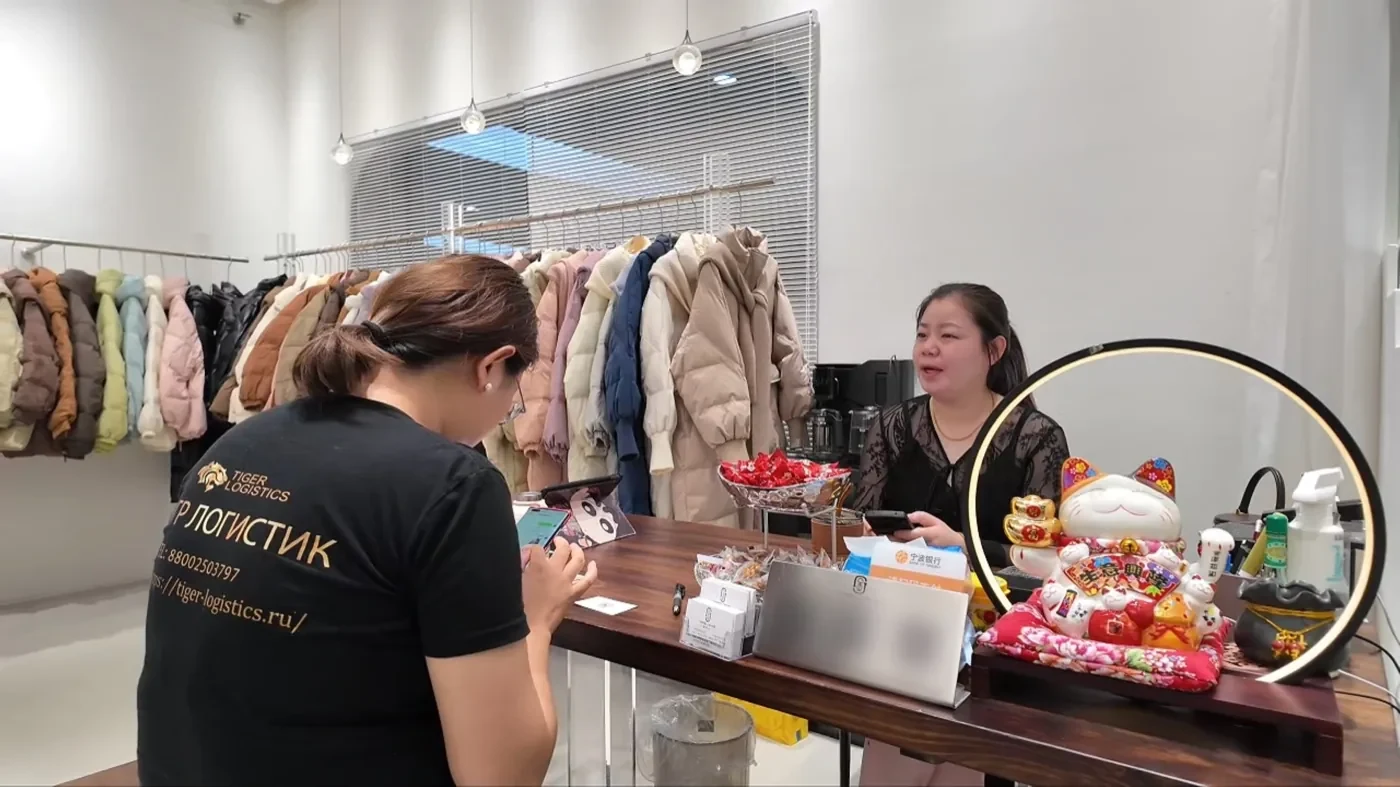
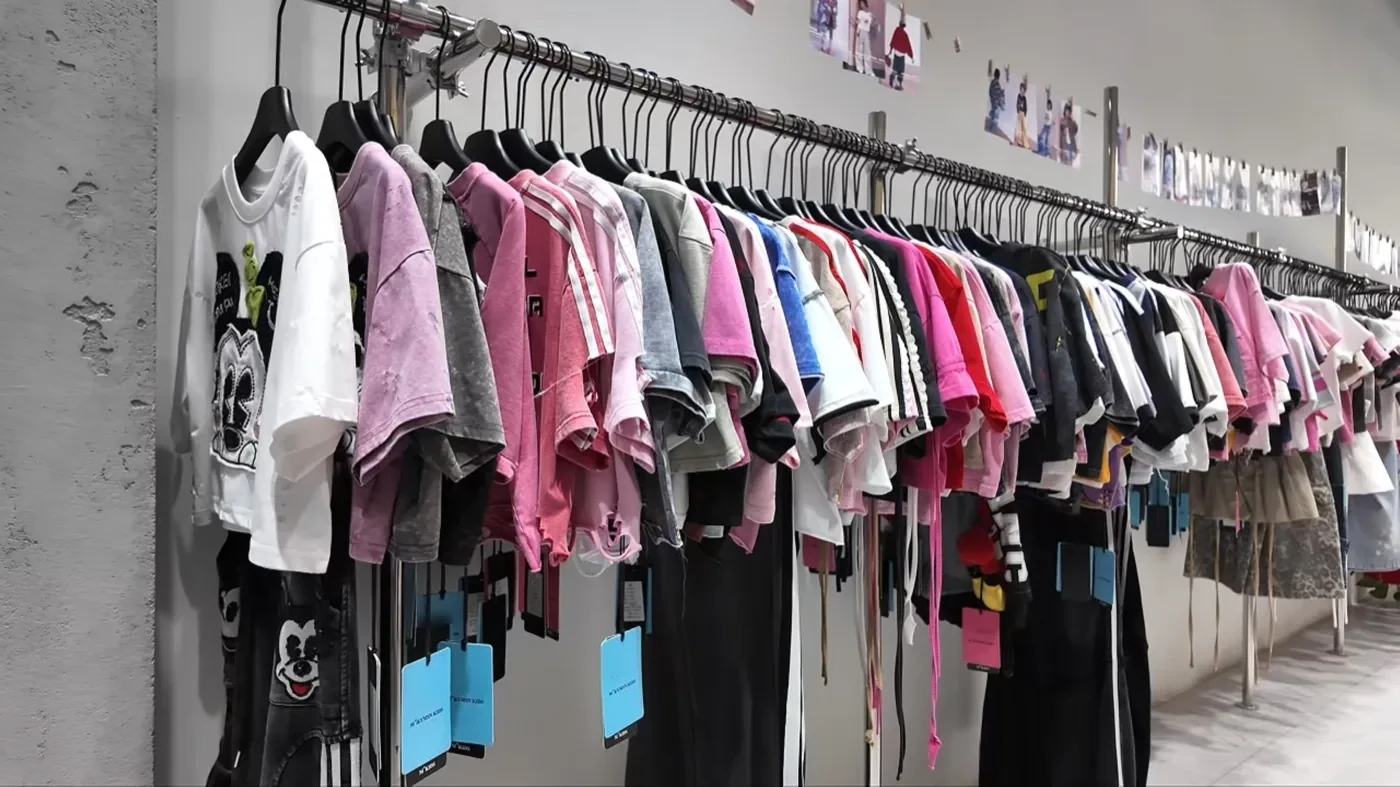
Zhili is not a single sales hall. During visits we go to different wholesale shops and showrooms. Some look like small boutiques, with neat displays, complete outfits, and interesting windows. But you need to look beyond the presentation to the trading terms. A shop name and an attractive interior do not tell you whether you can obtain a suitable batch and reorder it later.
Why a new style is not always sold in a single size run
New collections often come with a minimum order. For example, a supplier may sell a particular style in one colour only in quantities of five size runs or more. In Chinese trade, this purchasing unit is called a “shou”, 手: a set of sizes in the seller's specified assortment. It might cover heights from 120 to 170 cm, but you must check the number of garments and size distribution in the particular offer.
A buyer trying a style for the first time would like one run to see how customers respond. The seller may nevertheless stick to its minimum order and rules for buyers in different regions. Having enough money for one run does not always settle the matter: the supplier sells new designs on the terms set for that collection.
With shops that Tiger already works with, we arrange small trial purchases. First, our manager discusses the order directly with the supplier. If the required volume cannot be obtained as an individual order, we combine purchases from several clients to reach the minimum together. This lets a buyer try a new style without taking the entire minimum quantity alone.
For a combined order, it is important to decide in advance which style, colour, and size run each participant receives. The supplier needs a clear overall order, and we need an exact allocation between clients when goods arrive. Add the item number, colour, and required assortment to the photograph of an item you like. These details help both in negotiations and when checking the delivered goods.
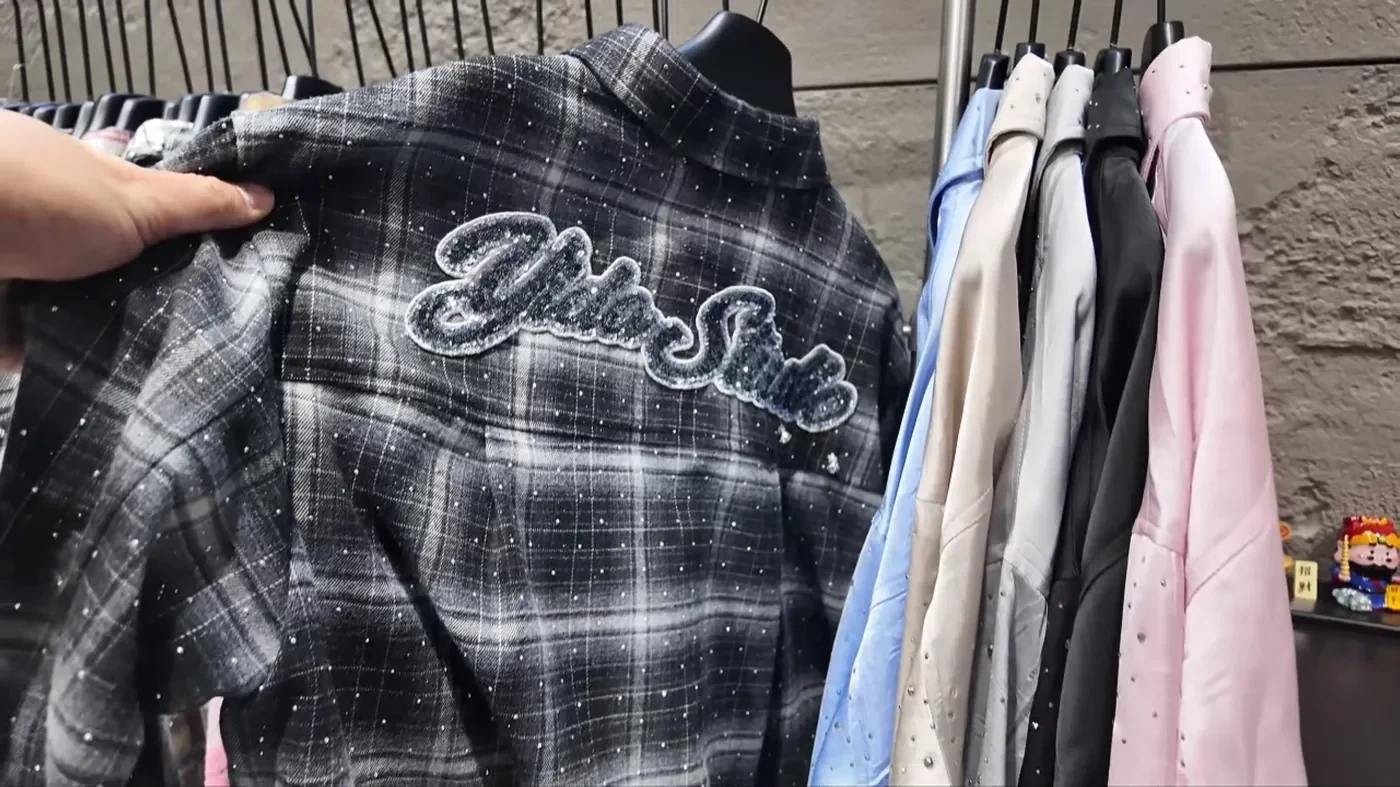
One size run of a shimmering shirt: a sourcing example
One of our suppliers had an attractive checked shirt with a shimmering finish. Other buyers were already selling it successfully, and a new Tiger client wanted one size run as a trial. The shop owner refused because that order was too small for this style.
Our children's clothing sourcing manager then contacted her. Once it became clear that the purchase was being made through Tiger for our client, the issue was resolved and the shop sold us one run. At that point, our annual purchases from that supplier exceeded RMB 200,000. For the shop, this was an order within a long-standing working relationship.
In this case, we helped the client obtain exactly the small trial batch she needed. That result mattered in itself: she could test a new style in her shop without increasing her first purchase to a volume she did not yet need.
This is the practical value of sourcing support. The manager knows the supplier, understands its terms, and can discuss the particular situation. When an individual small batch cannot be negotiated, another practical option remains: combining purchases from several clients.
Shops need new collections, and customers need a clear choice
In our experience, children's clothing buyers often select seasonal styles from eight to ten suppliers. This gives them a range of offers to compare and suitable styles to choose for their assortment. It is an observation about our clients, not a required number of partners for every shop.
A retailer has a separate task: presenting new products so that customers want to come in, try them on, and return. Design, garment combinations, and window displays all matter. Sometimes a single distinctive style helps introduce a whole collection direction, even if more familiar items account for most sales.
Tiger continues working with the assortment after a client's trip. We gather information about new styles in Zhili and periodically share new designs and offers that sell well for other clients. We provide these commercial selections to clients free of charge. The shop owner makes the purchasing decision: they know their own customers best.
To make the selection useful, show us your shop and examples of clothing that already suits its customers. Tell us which styles are missing for the next season. This makes the discussion specific: a particular age group, style, and purchase price, rather than the entire Zhili range at once.
Marketplace sellers need a style they can reorder
Online sellers often face a different situation. They create a product listing, take photographs, make the first sales, and want to keep selling the same style. But some suppliers produce a collection for only one season. Once the batch sells out, there may be no further production.
Discuss repeat orders before making the first purchase. Establish whether you are buying the remaining stock of a seasonal style or a product the supplier plans to keep making. The answer affects your sales planning and when you should start looking for the next batch.
If a seller needs a stable basic product, commissioning production at a factory is one option. The garment's specifications must then be maintained: fabric, measurements, cut, and finishing. The next delivery needs to provide a comparable product, because customers rely on the existing photographs and description.
This requires ongoing work in China. Tiger helps maintain contact with the manufacturer and discuss materials and repeat-production terms. Raise the next batch in advance: having finished clothing available today and being able to produce it again are two different conversations with a supplier.
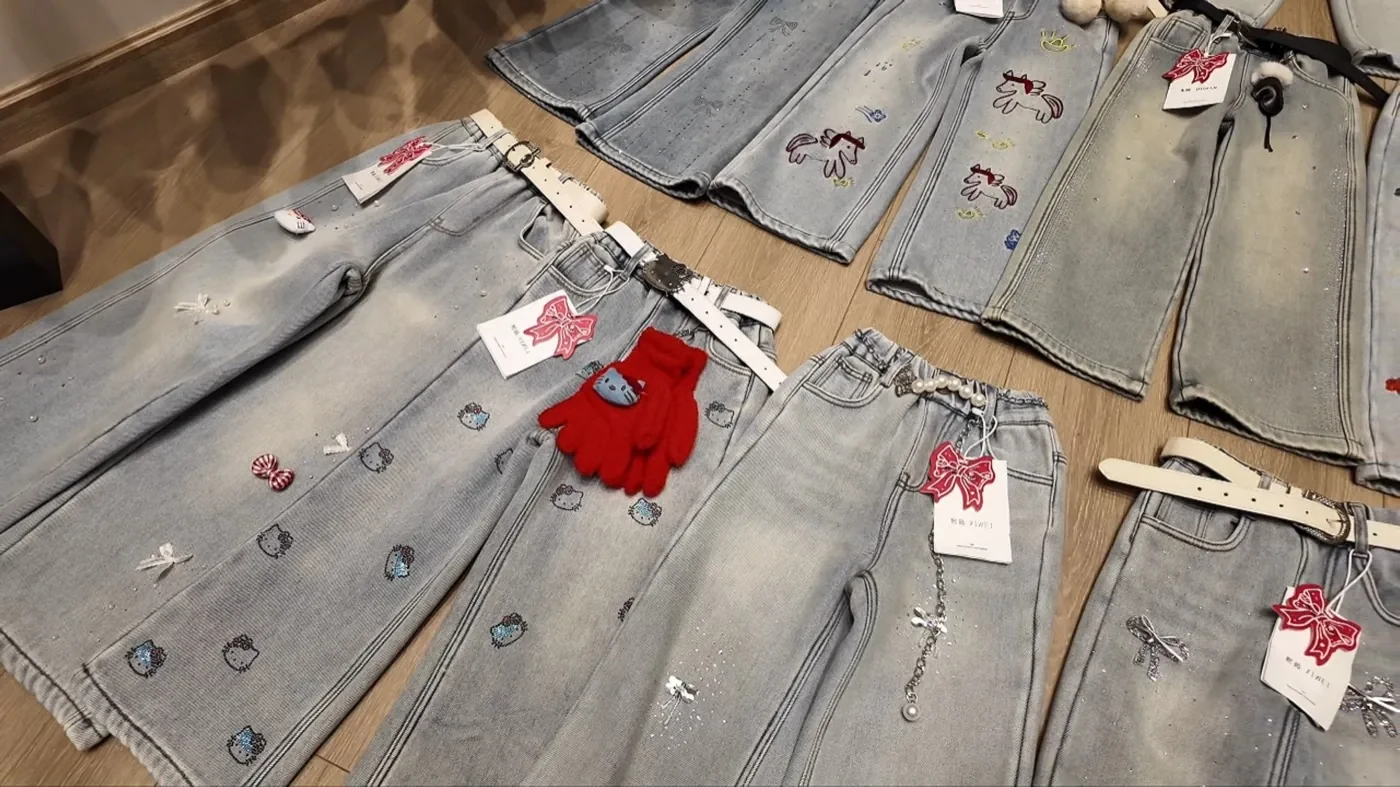
Children's garment production: fit, fabric, and manufacturing capabilities
When working with our Russian clients, factories must take specific fit requirements into account, including sleeve and trouser length. A size printed on a label does not replace measurements. A sample, size chart, and explanation of the changes the client wants are useful when discussing a style.
We also discuss the garment's purpose when choosing fabric. A “100% cotton” label does not solve the task by itself, and a more expensive fabric is not necessarily better suited to the garment and budget. First establish how the clothing will be used, what the buyer expects, and what cost level the order allows.
Our three regular manufacturing partners have different strengths. One project may depend on balancing material and workmanship costs; another on neatly made woven sportswear; a third on consistent embroidery and meeting the schedule. We select a factory for these requirements and discuss a sample before starting the batch.
For group outfits, we separately record sizes, quantities, and the date the client needs the order. If 150 children are taking part, attractive samples and a good price cannot compensate for missing outfits. This is why the number of finished garments must be settled when calculating fabric requirements.
Ordering 150 sets: why production may yield 120 or 180
We have actually encountered cases where an estimated 150 sets became 120 or 180. These are not hypothetical numbers used for illustration. In our order history, the actual batch yield has regularly differed from the initial calculation.
A manufacturer calculates material consumption and buys fabric by the roll. But the actual length of rolls varies, and production introduces additional losses. Shrinkage and matching a pattern during cutting are examples. A calculation that three rolls should make 150 sets therefore does not mean that the fabric delivered will yield exactly 150.
If the order is based on using all the purchased fabric, the final quantity depends on its actual yield. Under this arrangement, our clients accept and pay for the batch produced. This may suit a buyer whose priority is an overall volume of seasonal stock. An order tied to an exact number of participants requires a different approach.
How to obtain exactly the required quantity
When the client must have 150 sets, we include extra fabric in the calculation from the start. Production stops after the agreed quantity is made; remaining fabric is not turned into additional garments. The cost of all purchased material, including the unused remainder, is allocated across those 150 sets.
The client can then understand what they are paying for. Using all the fabric means the number of finished garments can vary. Fixing the quantity means the cost of the fabric allowance and remainder is included in the garments' price. These are two ways of costing the same production task, and the choice should be made before buying fabric.
If an exact quantity is critical, tell the manager immediately. We need to discuss a fixed quantity with the factory, not merely an estimated batch yield. Sizes matter for events too: the total of 150 sets must match the agreed size distribution, not just the overall number on a packing list.
Buying from several shops: collect, check, and ship
Selecting the goods is followed by another stage. One shop may have ten packages, another three, a third two, and a fourth one. To the client this is one purchase, but the goods actually arrive from different sellers. They must be collected and matched against the orders.
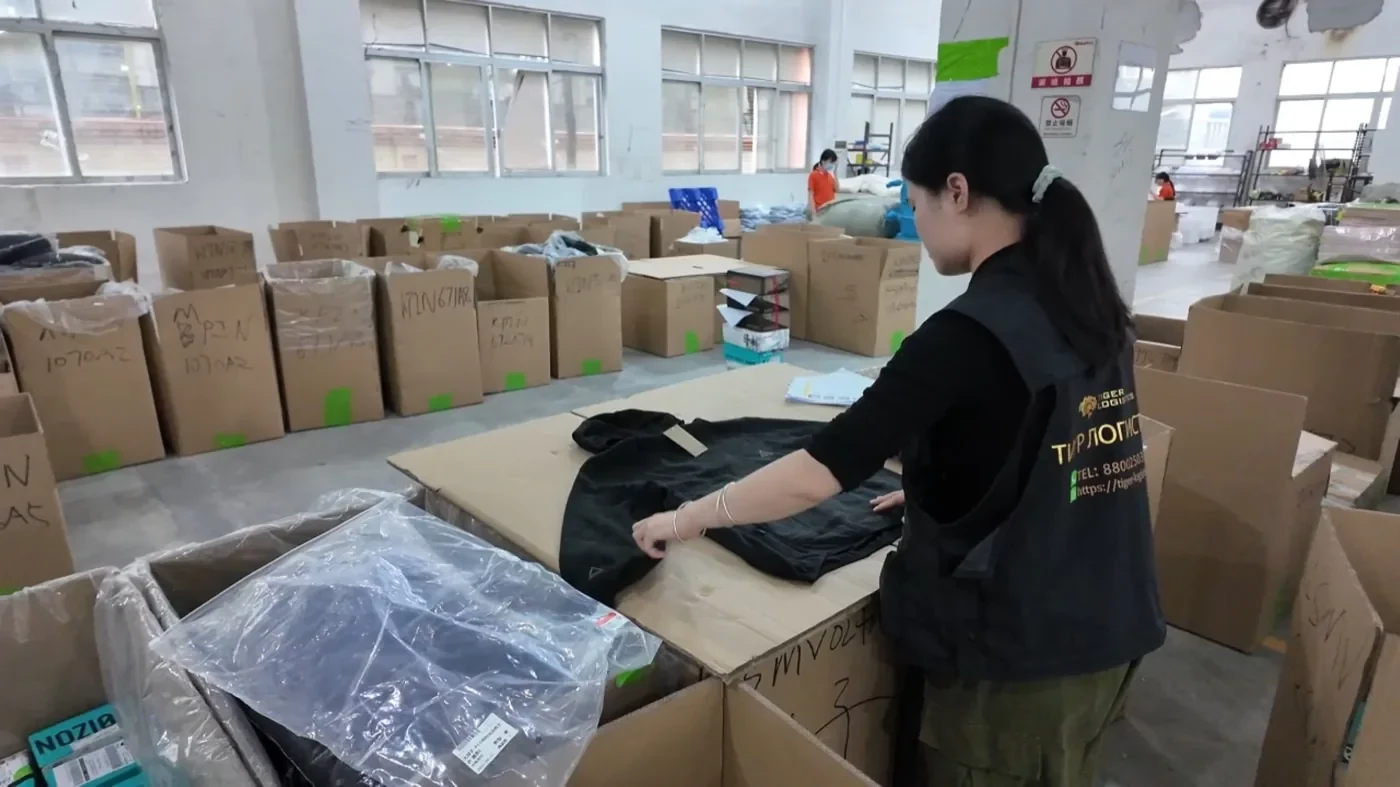
We arrange collection of purchases in Zhili and a combined shipment to Tiger's warehouse in Yiwu. This helps reduce fragmented transport within China. Actual transport costs depend on the cargo and route; a free collection and consolidation service does not mean the transport itself has no cost.
At the warehouse, we receive and weigh the goods, match them against the order, and carry out the agreed checks. Warehouse consolidation and inspection are free at Tiger. Packaging and onward transport are priced separately. Clothing orders should retain the style, colour, sizes, and quantity so that incoming goods can be checked against a clear list.
According to Tiger's information as of October 2026, daily shipments of children's clothing from Zhili exceed two tonnes. This describes our current activity on this route. Behind that volume are individual client orders that must be correctly separated, checked, and prepared for onward shipment.
Communicating with suppliers during and after a sourcing trip
Chinese suppliers often use WeChat for everyday communication. We help clients register and establish contact with sellers. Orders are usually discussed in a shared sourcing group, so the client, supplier, and Tiger employee can all see which style and batch are being discussed.
These conversations provide a convenient record of photographs, item numbers, and agreed quantities. Clients who continue selecting goods independently can pass their purchase details to the manager. We clarify in advance where the supplier should send the goods and how to label the client's order.
Well-organised correspondence is especially useful for repeat purchases. You need to return to a particular style and its terms instead of starting a search from a random photograph. New collections, combined orders, and custom production involve different questions, but accurate product information is needed in all three cases.
Payment in Moscow and terms for regular clients
Clients who have worked with Tiger for more than a year can pay for goods in Moscow, including in cash. Freight is paid after the cargo reaches our Moscow warehouse. It is important to distinguish the cost of the clothing from the cost of delivery: they are separate parts of the payment.
Clients who have worked with Tiger for more than three years have access to special purchasing support terms. For example, they can initially pay 50% of the goods' value. The remaining 50% and freight for that batch can be paid when the next shipment reaches our Moscow warehouse. This gives established partners additional time to settle the previous purchase, which is particularly useful at the change of seasons.
When seasons change, a shop owner must pay for the new range while continuing day-to-day operations. Spreading payments can provide more flexibility when selecting a batch. If you already work with Tiger and are planning such a purchase, discuss it with your manager before placing the order. For ordinary supplier payments , you can also contact our team.
Questions about sourcing children's clothing in Zhili
Can I buy one size run of a new style?
We arrange small trial purchases with partners that Tiger already works with. If an individual order is below the minimum, we can combine purchases from several clients. The style, colour, and size-run composition are agreed for each purchase.
What does “five runs” mean in a minimum order?
It means five size assortments in the seller's specified configuration, not necessarily five individual garments. Confirm the sizes and garment count in each assortment before paying.
If a product sells well, can I keep reordering it?
Ask the supplier: a seasonal style may not be produced again. For regular supplies of a basic product, we discuss production at a reliable factory and maintaining the agreed specifications.
How can I order exactly 150 sets for an event?
Specify the fixed quantity and size distribution at the outset. The order includes a fabric allowance, production is limited to 150 sets, and the cost of leftover material is allocated across those garments.
Can purchases from different shops be combined into one shipment?
Yes. We arrange collection in Zhili, delivery to the Yiwu warehouse, order checks, and preparation for onward transport. The manager needs order details and supplier information.
Who can pay freight after arrival in Moscow?
Clients who have worked with Tiger for more than a year can pay freight after their shipment arrives in Moscow. Partners with more than three years of cooperation have separate preferential terms: initially 50% of the goods' value, followed by the remaining 50% and freight for that batch when the next shipment reaches the Moscow warehouse.